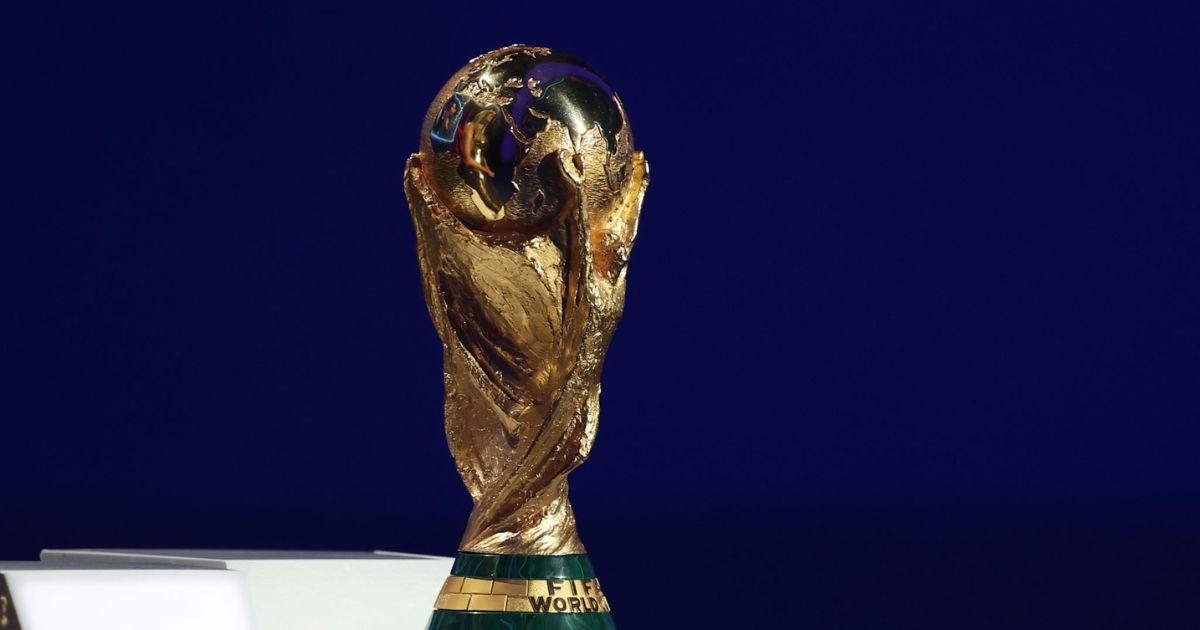
FIFA has agreed to a historic 50% increase in prize money for the upcoming 2026 FIFA World Cup, marking the richest financial payout in the tournament’s history. The decision, confirmed by the FIFA Council, comes as the world’s biggest football event prepares for its first expanded 48-team edition, hosted across the United States, Mexico and Canada.
ALSO READ: World Cup 2026 Draw: Bafana Bafana Drawn Against Mexico in Opener.
The total prize pool will reach a record $727 million, up from approximately $485 million at the 2022 World Cup in Qatar, reflecting FIFA’s efforts to reward participating nations more generously and align financial incentives with the competition’s global stature.
How the Prize Money Will Be Distributed
FIFA’s revamped prize structure places a heavy emphasis on performance-based payments, with $655 million, the bulk of the fund, earmarked for team payouts based on how far they advance in the tournament.
Under the new breakdown:
- World Cup champions will receive $50 million, a significant jump from the $42 million awarded to Argentina for winning in 2022.
- Runners-up are set for $33 million, with additional payouts for teams finishing third and fourth.
- Teams eliminated before the knockout rounds will still earn substantial sums, all 48 qualified nations are guaranteed at least $9 million for exiting at the group stage.
- On top of this, every qualified team will receive $1.5 million upfront to help cover preparation costs, pushing the minimum total for all participants to roughly $10.5 million.
This expanded financial commitment aims to provide federations with increased resources, whether they progress deep into the tournament or exit early.
A New Era for Global Football Finance
FIFA President Gianni Infantino described the boost as “groundbreaking in terms of its financial contribution to the global football community”, highlighting the tournament’s growing economic significance.
The increase also reflects the 2026 World Cup’s unprecedented scale: 48 teams, 104 matches and venues spread across three countries. This expanded format, an evolution from the 32-team setup used from 1998 through 2022, has significantly raised the stakes both on and off the pitch.
Federations will benefit regardless of on-field results, but the structure heavily rewards success, effectively doubling the incentive for deeper runs into the knockout rounds.