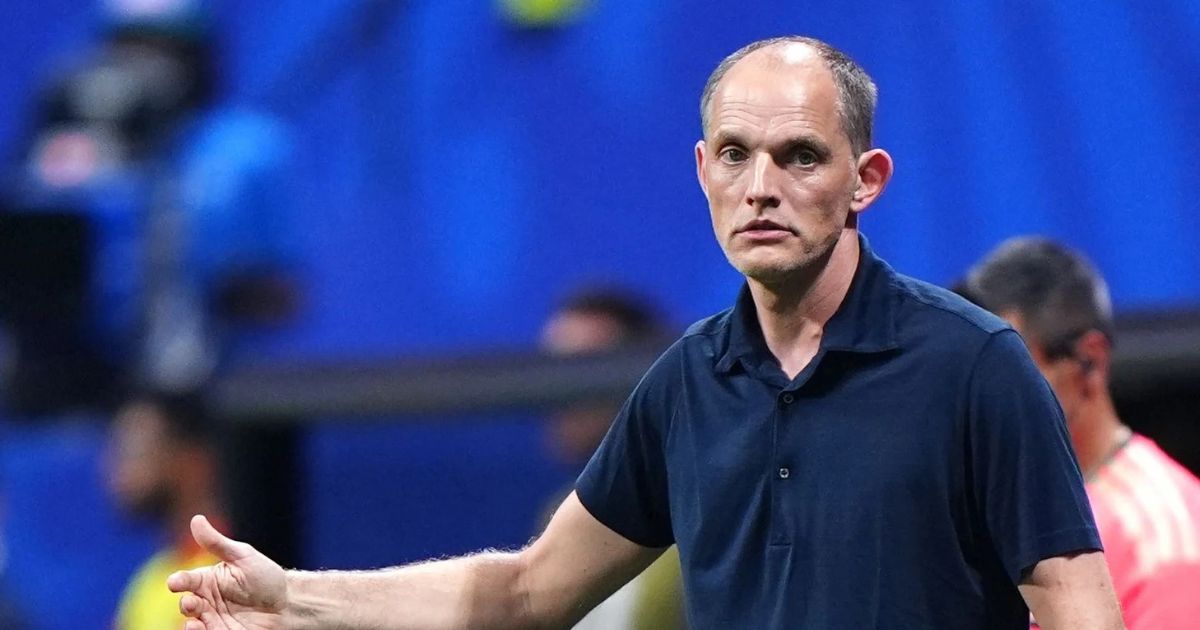
The debate surrounding Thomas Tuchel’s England tactics began the moment the final whistle blew in Atlanta. England were 35 minutes away from reaching their first FIFA World Cup final since 1966, leading Argentina 1-0 and looking comfortable after Anthony Gordon’s second-half opener. Then Tuchel blinked.
ALSO READ: Spain Reach First World Cup Final Since 2010 After 2-0 Win Over France.
Rather than asking his players to chase a second goal and continue troubling Argentina, England retreated deeper and deeper into their own half. The substitutions became increasingly defensive, possession disappeared, momentum swung completely in Argentina’s favour and, almost inevitably, Lionel Scaloni’s side completed a dramatic comeback to win 2-1.
Football is ultimately decided by moments, but this defeat felt different. England did not lose because Argentina were vastly superior. They lost because their manager abandoned the very approach that had put them in a winning position.
England Had The Perfect Game Plan
For more than an hour, Tuchel deserved enormous credit.
His decision to start Morgan Rogers on the right wing proved inspired. Rogers stretched Argentina’s defence throughout the match and produced the cross that Anthony Gordon converted to give England the lead. Reece James and Djed Spence dealt admirably with Argentina’s wide threats, while Declan Rice and Jude Bellingham worked tirelessly to disrupt Lionel Messi between the lines.
England were organised, disciplined and dangerous on the counter-attack. They limited Argentina to very few clear-cut opportunities and looked capable of exploiting the spaces left behind as the defending champions pushed forward.
At 1-0, England had exactly the type of game they wanted. Unfortunately, that is when everything changed.
The Moment Tuchel Changed The Match
Great tournament managers recognise when momentum is shifting.
Elite tournament managers know how to stop it.
Instead of reinforcing England’s midfield or introducing fresh attacking legs to keep Argentina honest, Tuchel chose to protect the lead. Anthony Gordon, England’s goalscorer and biggest attacking outlet, was withdrawn, while defensive substitutions followed as England dropped into an increasingly passive shape.
The message to his players was unmistakable.
Protect.
Defend.
Survive.
Against Lionel Messi and Argentina, that is rarely enough.
Every defensive substitution invited more pressure. Every retreat handed Argentina greater control of possession. England stopped pressing, stopped carrying an attacking threat and effectively spent the final half-hour asking one of the world’s best teams to attack them.
Eventually, Argentina accepted the invitation.
England Lost The Midfield Battle
The biggest tactical mistake was not simply becoming defensive. It was surrendering the midfield.
As England retreated, Enzo Fernández and Alexis Mac Allister began dictating the tempo. Messi found more space to influence the game, while Argentina’s full-backs pushed higher and higher knowing England no longer offered a serious threat on the break.
England’s midfield grew increasingly exhausted, yet Tuchel waited too long to address the issue.
Instead of adding energy in central areas, England focused almost exclusively on protecting the penalty area. That allowed Argentina to recycle possession repeatedly until the pressure finally told.
Fernández’s equaliser in the 85th minute had felt inevitable long before he struck the ball.
Argentina’s Coach Was Braver
The contrast between the two managers became impossible to ignore.
As Tuchel became increasingly cautious, Lionel Scaloni sensed weakness.
Argentina continued introducing attacking players. They pushed defenders higher, committed more bodies forward and trusted their quality to create chances. Tuchel, meanwhile, seemed more concerned with avoiding defeat than winning the match.
That difference in mentality ultimately decided the semi-final.
One coach believed his team could score again.
The other believed one goal would be enough.
It wasn’t.
Where Were England’s Match Winners?
Perhaps the biggest frustration for England supporters was seeing the attacking talent left unused or introduced too late.
With players capable of stretching tired defenders, Tuchel instead prioritised defensive reinforcements as Argentina piled on the pressure. Former England captain Wayne Rooney argued the substitutions visibly drained belief from the players on the pitch, while Alan Shearer questioned why England abandoned the attacking intent that had earned them the lead.
When Lautaro Martínez headed home the winner from Messi’s cross in stoppage time, it completed a comeback that had been building for nearly 30 minutes.
England had simply invited too much pressure.
The Same Story, Different Manager
England appointed Tuchel hoping he would succeed where previous managers had fallen short.
Instead, the semi-final followed a painfully familiar script.
England took the lead.
England became cautious.
England stopped playing.
England lost.
The names may have changed, but the pattern remained exactly the same. Critics noted that Tuchel’s approach ultimately resembled the conservatism that had often been associated with Gareth Southgate’s tournament exits, despite promises of a more proactive style.
Thomas Tuchel will argue that football is decided by fine margins and that his substitutions were intended to protect England’s lead. He has already insisted he has “no regrets” about his tactical decisions.
However, the evidence on the pitch tells a different story.
England were in control until they stopped trying to play football. By abandoning their attacking identity, surrendering the midfield and inviting relentless Argentine pressure, Tuchel handed the initiative to the reigning world champions.
Argentina still deserved enormous credit for their courage, persistence and quality but England also played a significant part in their own downfall.
World Cup semi-finals are won by brave decisions. On Tuesday night, Lionel Scaloni made them; Thomas Tuchel didn’t.

BetJets News is crafted by a team of dedicated sports writers and betting experts. With deep knowledge of soccer, cricket, rugby, and more, our contributors deliver insightful tips, match previews, and betting strategies to help you make smarter bets.