There was a time when only goalscorers commanded nine figure transfer fees. If a club was willing to spend €100 million or more, it was almost certainly on a striker expected to score 30 goals a season or a winger capable of selling shirts around the world.
ALSO READ: The 10 Biggest Football Transfers In Europe’s Top Five Leagues So Far.
That is no longer the case.
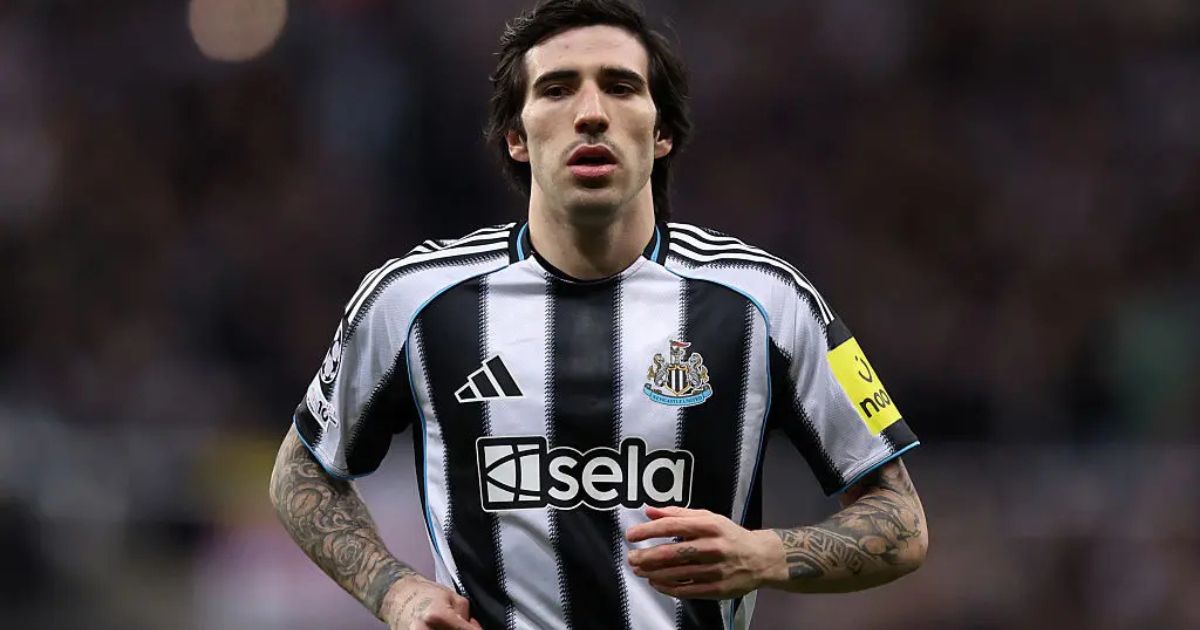
Over the last three years, football’s biggest transfer fees have increasingly been spent on central midfielders. Declan Rice joined Arsenal for £105 million in 2023, Chelsea paid an initial £100 million for Moisés Caicedo that could rise to £115 million, and Enzo Fernández arrived at Stamford Bridge for £106.8 million just months earlier. This summer, the trend has continued, with Manchester City spending a reported £116 million on Elliot Anderson and Tottenham Hotspur breaking the £100 million barrier to sign Sandro Tonali.
So what has changed?
The simple answer is that football has changed.
The modern central midfielder has become the most complete footballer on the pitch. Twenty years ago, teams could afford specialists. A holding midfielder would sit in front of the defence, a playmaker would dictate possession, and an attacking midfielder would operate between the lines. Today’s elite teams ask one player to do all three jobs.
Managers such as Pep Guardiola, Mikel Arteta, Xabi Alonso and Hansi Flick demand midfielders who can receive the ball under intense pressure, escape an opposition press, dictate possession, recover the ball, cover enormous distances and still contribute goals and assists. Finding players capable of excelling in every phase of the game is incredibly difficult, and scarcity has driven prices through the roof.
Perhaps no player demonstrates this evolution better than Rodri. The Manchester City midfielder rarely tops the scoring charts, yet he is widely regarded as the most influential player in Guardiola’s system. He controls the tempo, protects the defence, starts attacks and dictates where games are played. His performances have shown clubs that a world class midfielder can be just as decisive as an elite striker, if not more so.
Declan Rice offers another example. When Arsenal paid £105 million to sign him from West Ham, many questioned whether any defensive midfielder could justify such a fee. Three seasons later, Rice has become one of the cornerstones of Arsenal’s success. His ability to win possession, carry the ball forward, break opposition attacks and arrive late in the penalty area has transformed Mikel Arteta’s midfield, making the initial price tag look far less extravagant.
Chelsea reached a similar conclusion with Moisés Caicedo and Enzo Fernández. Together, the pair cost the club more than £220 million, but Chelsea viewed them not as luxury signings but as long-term investments. Caicedo is one of the world’s best ball-winning and press-resistant midfielders, while Fernández combines elite passing range with defensive intensity. At just 24 and 25 years old respectively, Chelsea believe they will anchor the club’s midfield for the next decade.
The latest transfer window suggests the market has moved even further.
Manchester City’s £116 million acquisition of Elliot Anderson raised eyebrows across Europe, but City believe they have signed one of England’s outstanding young midfielders. Anderson finished among the Premier League leaders for touches, duels won and ball recoveries before impressing for England at the FIFA World Cup, convincing City that he possesses the complete midfield profile required for the next era under Enzo Maresca.
Tottenham’s decision to spend around £100 million on Sandro Tonali sends a similar message. Elite clubs are no longer prepared to compromise in midfield. Tonali’s ability to dictate possession, press aggressively and control matches made him one of the most sought-after midfielders in Europe, while Spurs also invested another £85 million in Mateus Fernandes, underlining just how valuable complete midfielders have become.
There are also several players who, while they have not yet moved for €100 million, would almost certainly command those fees if they became available.
Real Madrid’s Federico Valverde has developed into one of football’s most complete midfielders, combining relentless athleticism with technical excellence and tactical intelligence. At Barcelona, Pedri is considered virtually untouchable because of his ability to dictate games despite still being only 23. Jude Bellingham, who joined Real Madrid for an initial €103 million in 2023 before add-ons, has only enhanced his reputation and would almost certainly cost significantly more today. Bayern Munich’s Jamal Musiala, though often deployed higher up the pitch, is another player whose versatility and creativity would likely push his valuation well beyond the €100 million mark.
Ultimately, transfer fees are no longer determined solely by goals or assists. Clubs now invest in players who influence every phase of the game. The modern midfielder dictates tempo, launches attacks, wins possession, breaks opposition presses and provides tactical flexibility that can transform an entire team.
As football continues to evolve towards possession, pressing and control, the value of elite central midfielders will only continue to rise. The €100 million midfielder is no longer an exception. It has become the new benchmark for securing one of the rarest and most influential players in world football.

BetJets News is crafted by a team of dedicated sports writers and betting experts. With deep knowledge of soccer, cricket, rugby, and more, our contributors deliver insightful tips, match previews, and betting strategies to help you make smarter bets.