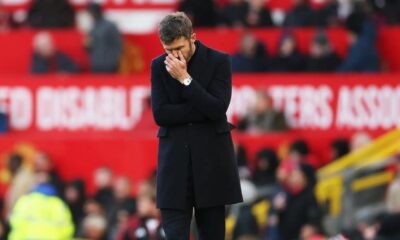
The FIFA World Cup is the pinnacle of international football, but it is also the ultimate test for coaches.
ALSO READ: Argentina Beat Egypt As Lionel Messi Extends World Cup Record.
Every four years, coaches spend months preparing for a tournament that can ultimately be defined by just one result. For many, elimination doesn’t just end their nation’s World Cup dream; it also marks the end of their tenure.
The 2026 FIFA World Cup has already claimed a host of managerial casualties, with several high-profile coaches resigning or leaving their roles following disappointing campaigns.
Here are the biggest managerial departures from this year’s tournament.
Roberto Martinez (Portugal)
One of the biggest names to leave is Roberto Martinez.
Portugal entered the tournament with genuine ambitions of winning the World Cup, but their campaign ended in heartbreak after a 1-0 Round of 16 defeat to Spain. Shortly after the match, Martinez confirmed he was stepping down as head coach.
His departure brings an end to a spell that saw Portugal produce some impressive football but ultimately fall short when it mattered most.
Javier Aguirre (Mexico)
Mexico once again failed to make a deep run at the World Cup despite progressing from the group stage.
Following El Tri’s elimination, Javier Aguirre left his role, bringing an end to his latest spell in charge of the national team.
With Mexico set to begin preparations for the next international cycle, the federation will now turn its attention to finding a long-term successor.
Carlos Queiroz (Ghana)
Carlos Queiroz’s tenure with Ghana proved to be a brief one.
Despite guiding the Black Stars to the knockout stages, Ghana were unable to progress further, and Queiroz subsequently stepped down, becoming another experienced international manager to leave following elimination.
Steve Clarke (Scotland)
Steve Clarke leaves having transformed Scottish football.
He guided Scotland back to consecutive major tournaments and restored belief within the national team, but following the Scots’ World Cup exit, Clarke decided his time was up.
His departure marks the end of one of the most successful managerial spells in Scotland’s modern history.
Hong Myung-bo (South Korea)
South Korea’s group-stage exit sparked widespread criticism at home.
Following intense public pressure and scrutiny over team selection and tactics, Hong Myung-bo resigned as head coach after the tournament, bringing an end to a difficult World Cup campaign.
Julian Nagelsmann (Germany)
Germany’s decline on the world stage continued.
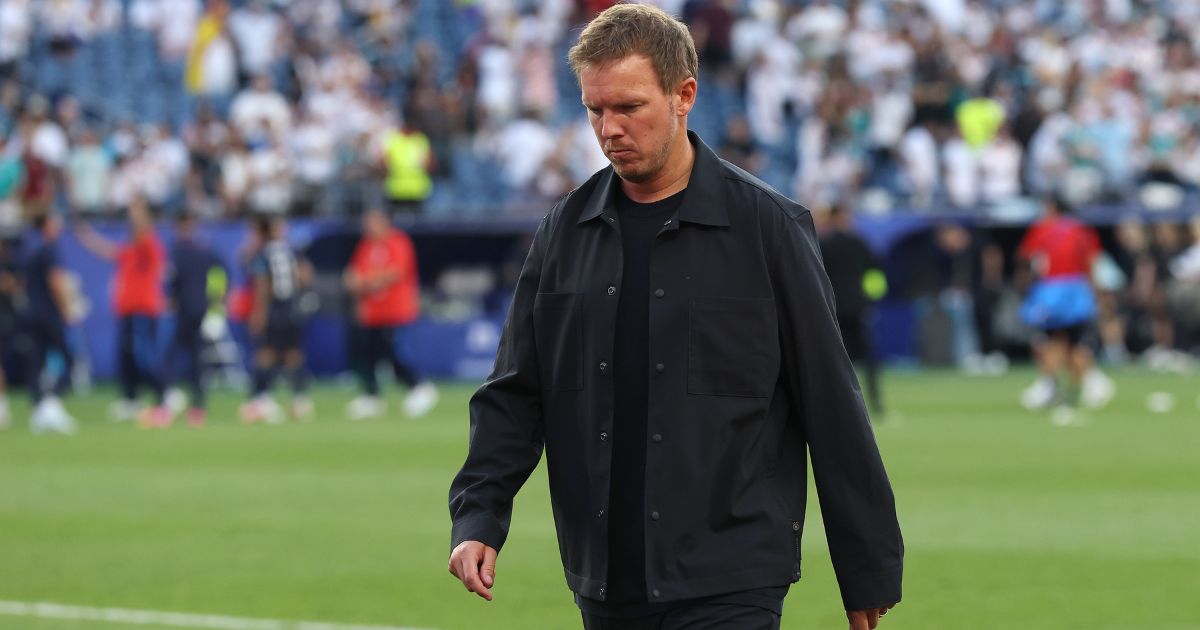
Die Mannschaft suffered another shock early elimination, losing to Paraguay on penalties in the Round of 32. The result proved to be the final chapter of Julian Nagelsmann’s reign, with the German Football Association now on the brink of appointing former Liverpool manager Jurgen Klopp.
Herve Renard (Tunisia)
Herve Renard’s spell with Tunisia lasted only 18 days.
The experienced French coach announced his departure after Tunisia failed to progress beyond the group stage, describing it as the right time for both parties to move on.
Marcelo Bielsa (Uruguay)
Few coaches command more respect than Marcelo Bielsa.
However, Uruguay’s disappointing World Cup campaign prompted the veteran tactician to step aside, ending another fascinating chapter in one of football’s most influential coaching careers.
Ronald Koeman (Netherlands)
The Netherlands arrived at the tournament hoping to challenge for the title but were stunned by Morocco on penalties in the Round of 32.
Following the disappointing exit, Ronald Koeman departed, becoming another high-profile casualty of the tournament.
Sebastian Beccacece (Ecuador)
Ecuador’s World Cup journey ended earlier than expected, and Sebastian Beccacece’s tenure ended with it.
The Argentine coach left his role shortly after the tournament, completing a remarkable list of managerial departures from the 2026 World Cup.
Why The World Cup Is So Ruthless For Managers
International football offers very few opportunities to make amends.
Managers often spend four years building towards one tournament, only to have their fate decided by a single match. With expectations higher than ever at the expanded 48-team World Cup, many federations have wasted little time making changes after falling short.
History has repeatedly shown that the World Cup is as unforgiving for coaches as it is for players, and the 2026 edition has once again reinforced that reality.

BetJets News is crafted by a team of dedicated sports writers and betting experts. With deep knowledge of soccer, cricket, rugby, and more, our contributors deliver insightful tips, match previews, and betting strategies to help you make smarter bets.